SYPartners· Design vision · 2016JetBlue: Set a Vision
The Challenge
JetBlue had spent 15 years proving that a different kind of airline could succeed. But by the time we engaged, the landscape had shifted. Customer expectations were rising. Low-cost competitors were multiplying. Technology was transforming the industry. JetBlue's founding spirit was still strong, but the company needed to define what the next chapter looked like — how to grow in a way that was innovative and distinctly JetBlue.
The ask: help JetBlue's executive team create a vision for 2020 and align on the strategic moves to get there.
My Role
I was the designer on a team at SYPartners led by President Tom Andrews, alongside content strategist Alex Villarino and production designer Jimmy Stone. I led the visual design across all deliverables — the growth frameworks, future scenarios, customer journey, service concepts, and the immersive experience we created for the executive team. I also worked closely with strategy throughout, pushing thinking from a product design perspective — not just making the work look right, but shaping what the ideas could be.

The Approach
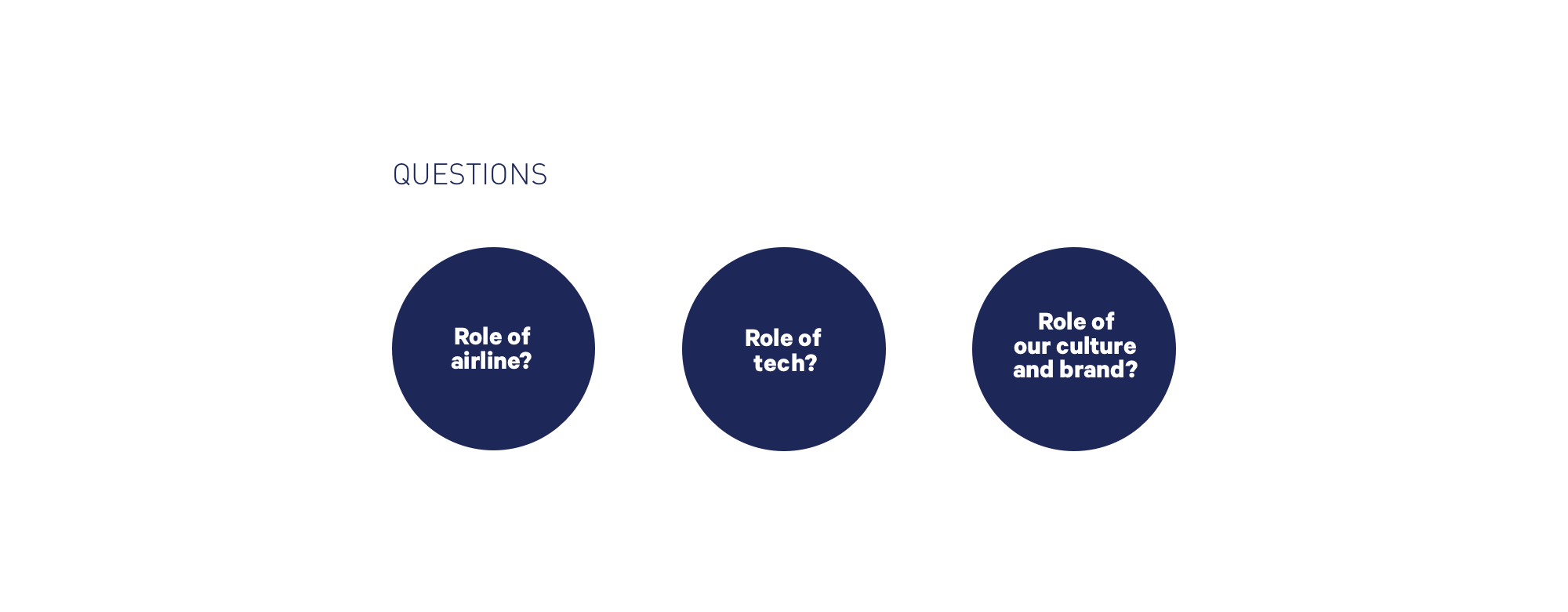
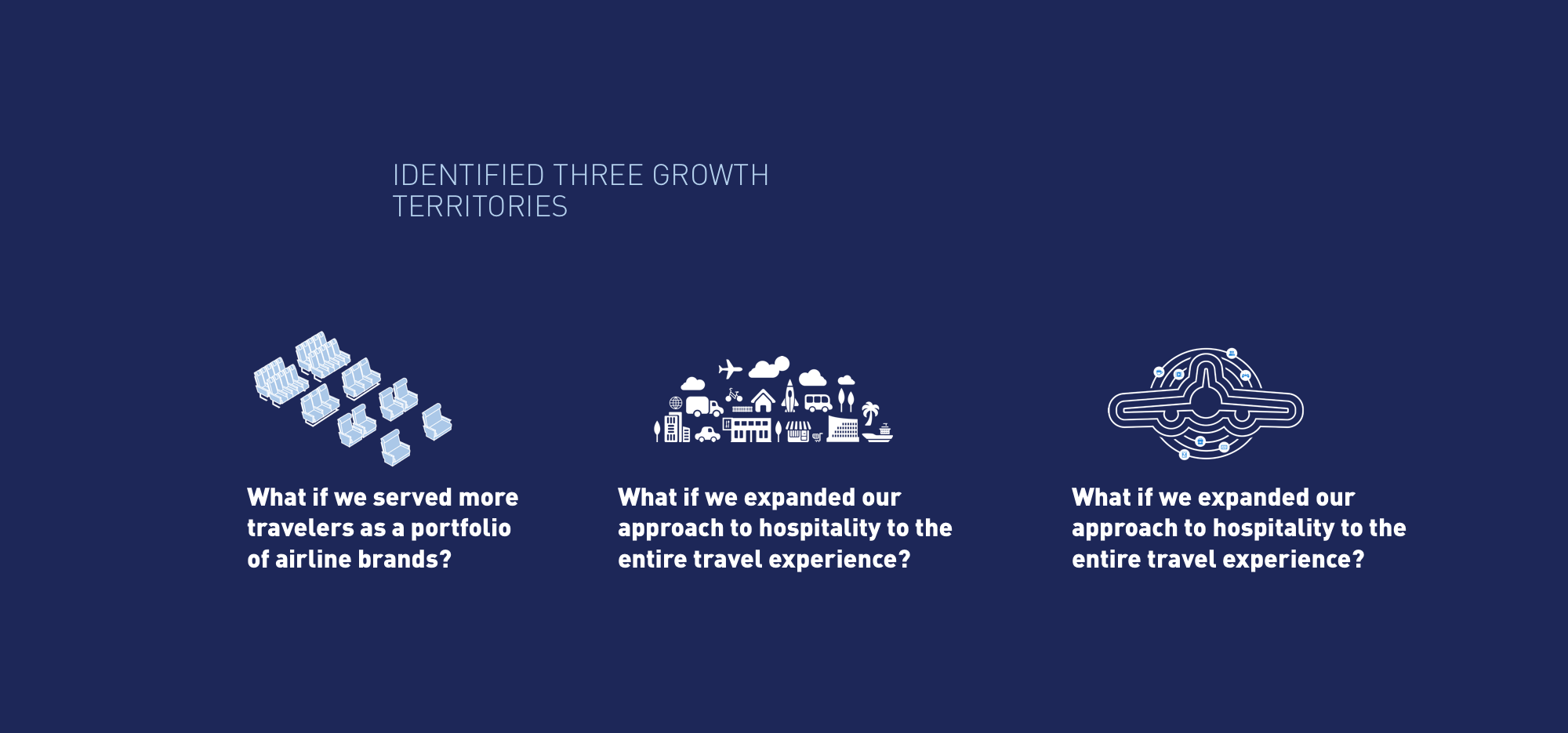
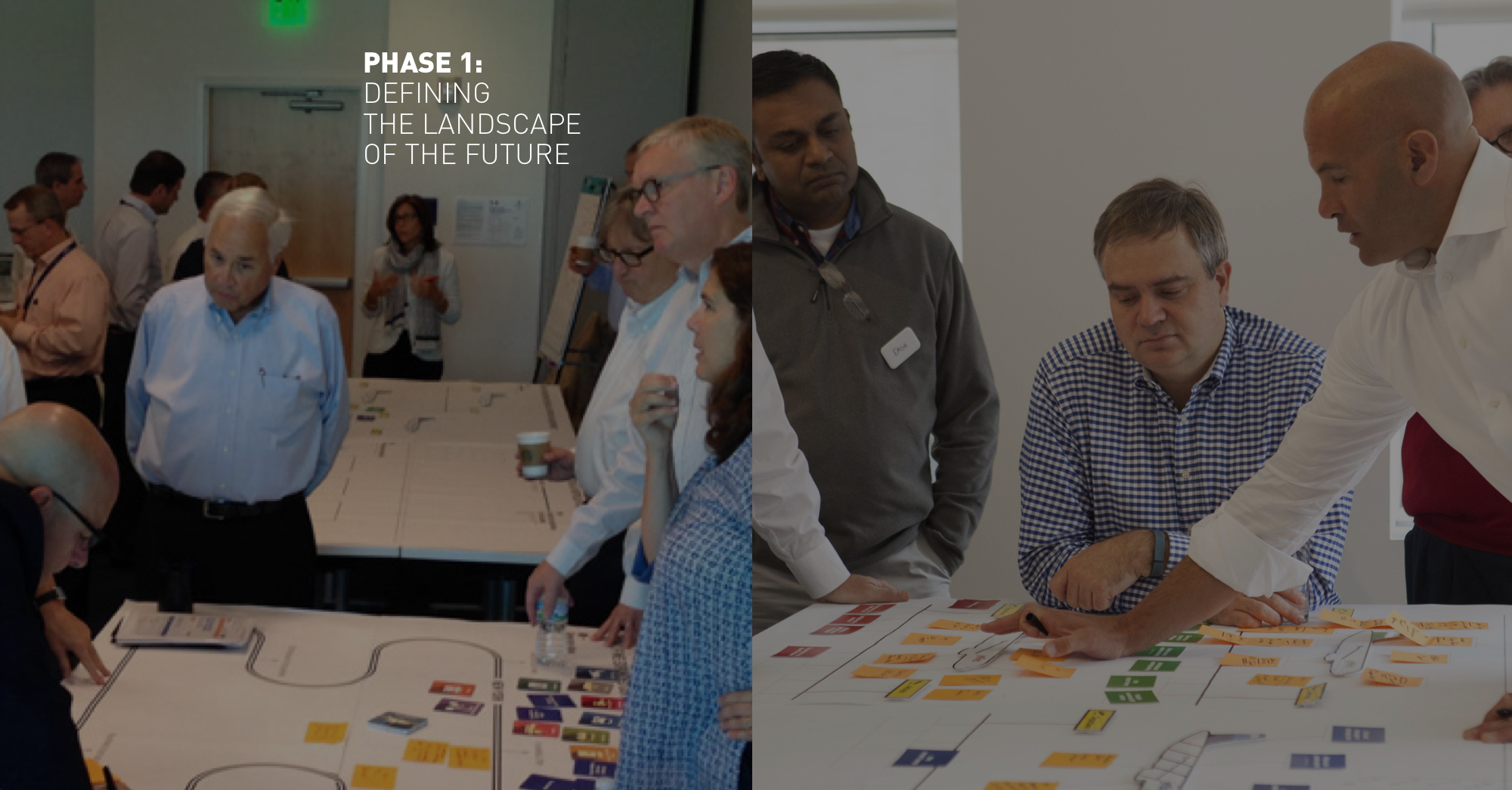
We started with growth territories — mapping where JetBlue had permission and potential to expand. From those territories, we developed four future scenarios, each representing a different strategic bet:
1. Most easy-to-use airline in the world — using technology to radically simplify and personalize the click-to-curb travel experience
2. Most intelligent travel service in the world — using technology to make better travel accessible to more people
3. Most helpful airline in the world — using the power of JetBlue's people to create a more caring experience, from booking to landing
4. Most caring travel provider in the world — extending JetBlue's hospitality culture beyond the plane, across the entire travel industry
These weren't abstract strategies. Each scenario came with concrete product and service concepts that showed what it would actually feel like to be a JetBlue customer in 2020.
The Customer Journey
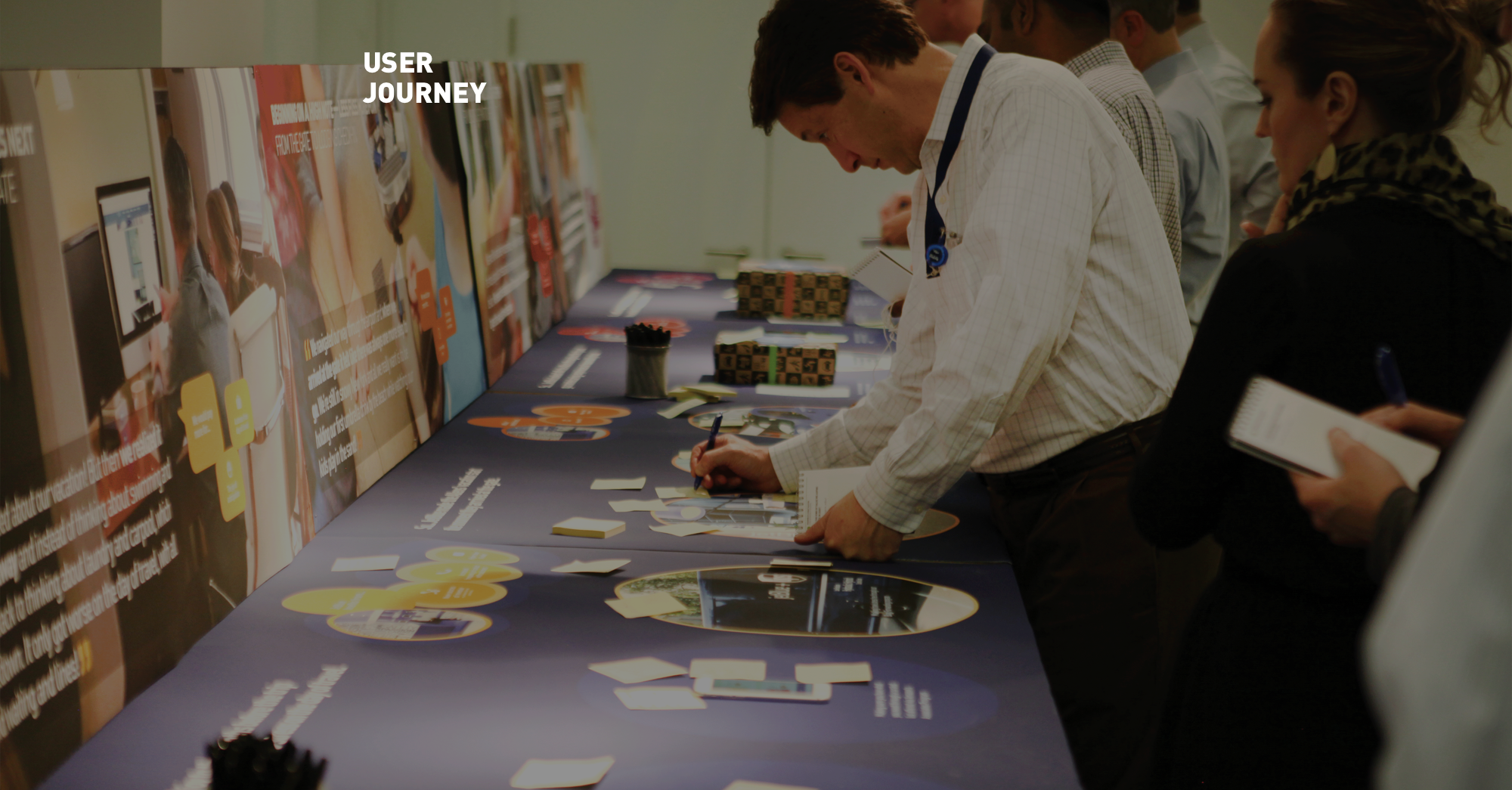
Working with JetBlue and researchers, we mapped the end-to-end customer journey across five phases — from the first spark of wanting a trip to sharing memories afterward:
1. Dreaming of a great vacation — browsing to booking
2. Anticipating what comes next — booking to the gate
3. Beginning on a high note — less fuss, more fun — the gate to lodging check-in
4. Making memories that will last a lifetime — lodging check-in to check-out
5. Making a long lasting impression — lodging check-out to sharing memories at home
Around each phase, we designed potential services and products — identifying the moments where JetBlue could intervene, delight, or simplify. The journey wasn't just a diagram. It was a design tool — a way to see where the opportunities were and make them tangible.
The Immersive Experience
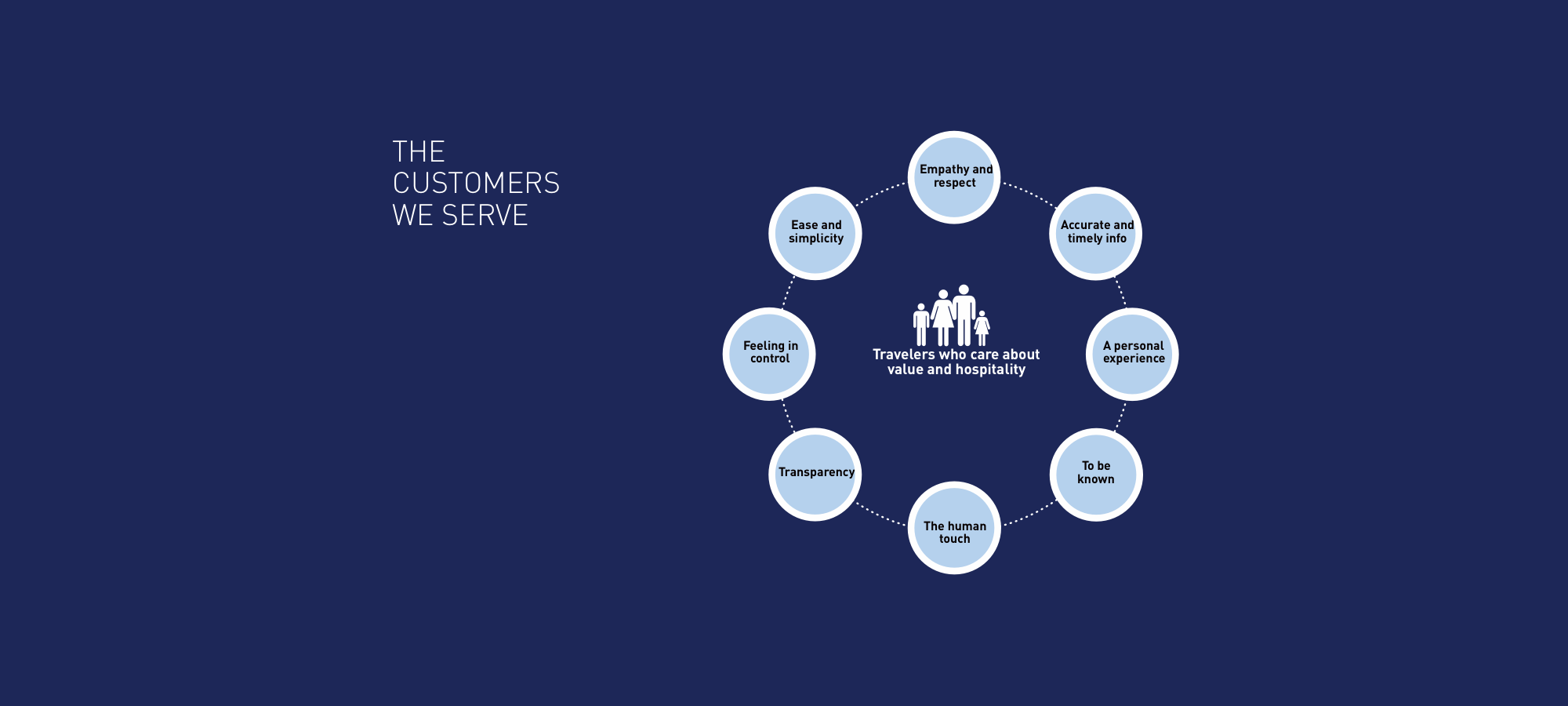
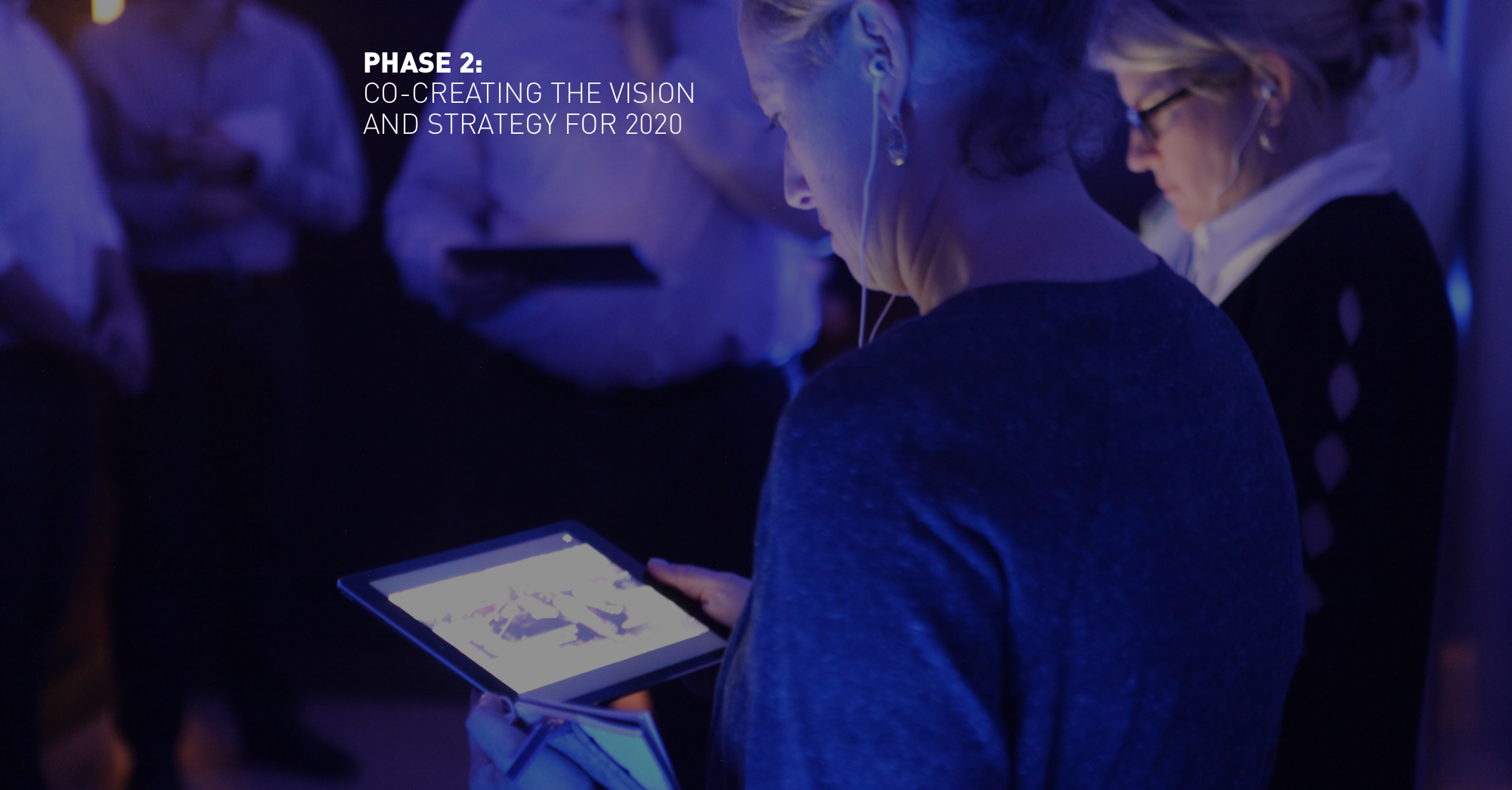
To align the JetBlue Executive Team, we didn't hand them a deck. We created an immersive experience — bringing the future customer needs to life so leadership could see and feel what was at stake, not just read about it. The experience walked them through the scenarios, the journey, and the bold moves required to fulfill the 2020 vision.
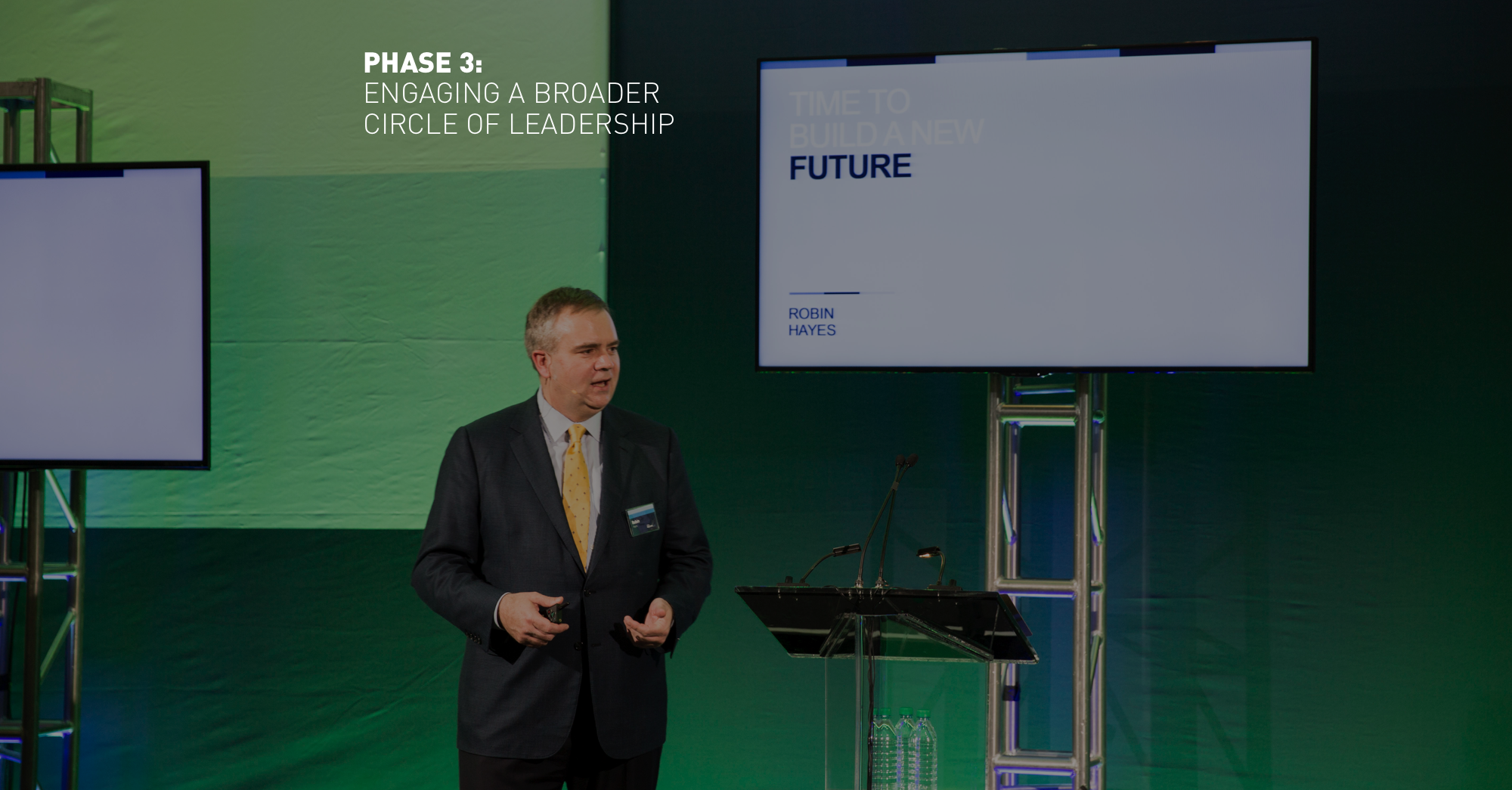
The goal was alignment, not just approval. By the end, the executive team wasn't choosing between options on a slide — they were building conviction around strategic themes they'd experienced firsthand.

The Outcome
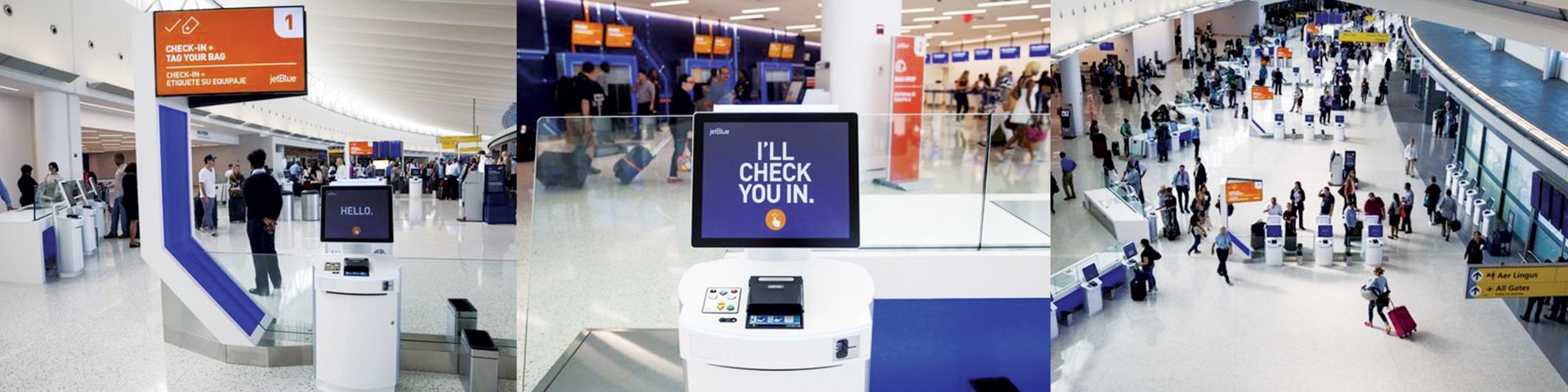
The vision work shaped JetBlue's strategic direction heading into 2020. Among the tangible results: passengers flying out of JetBlue's Terminal 5 at New York JFK got a smoother, more high-tech path through the ticket lobby — one early manifestation of the "most easy-to-use airline" scenario becoming real.
What I Brought
This project sat at the intersection of strategy and design — and that's where I operated. My job wasn't to wait for the strategy to be finished and then make it visual. It was to use design as a way of thinking: making abstract growth territories concrete through scenarios, making research findings legible through journey mapping, making the future tangible through an experience the executive team could walk through. The design wasn't decoration on top of strategy. It was how the strategy became real enough to act on.