Interaction experiment · 2013SIX POINTS:
A Visual Exploration of Reflexology
The Moment
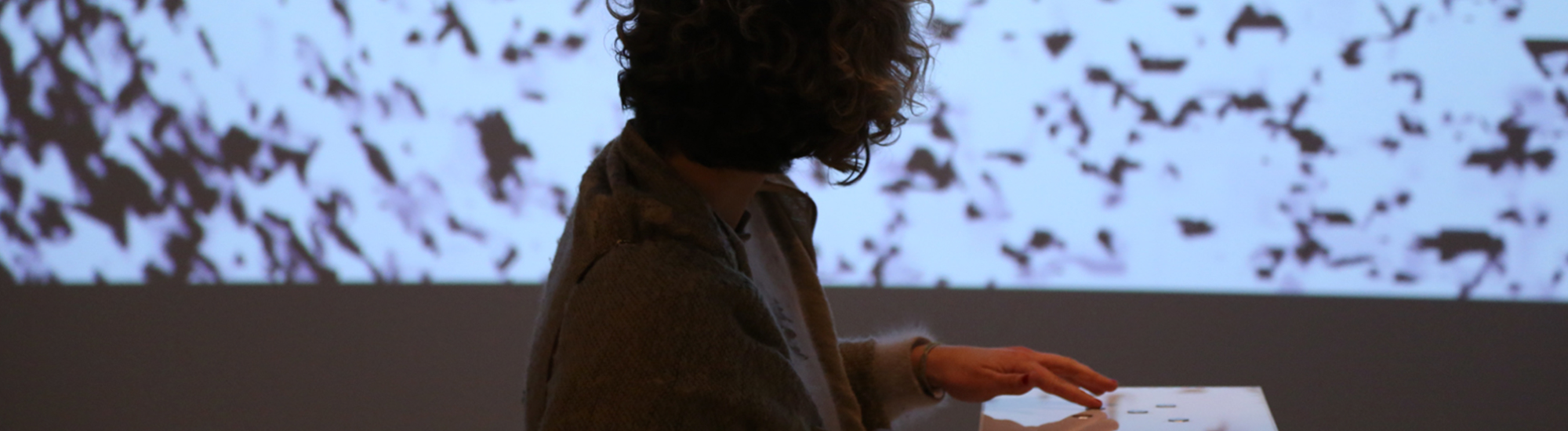
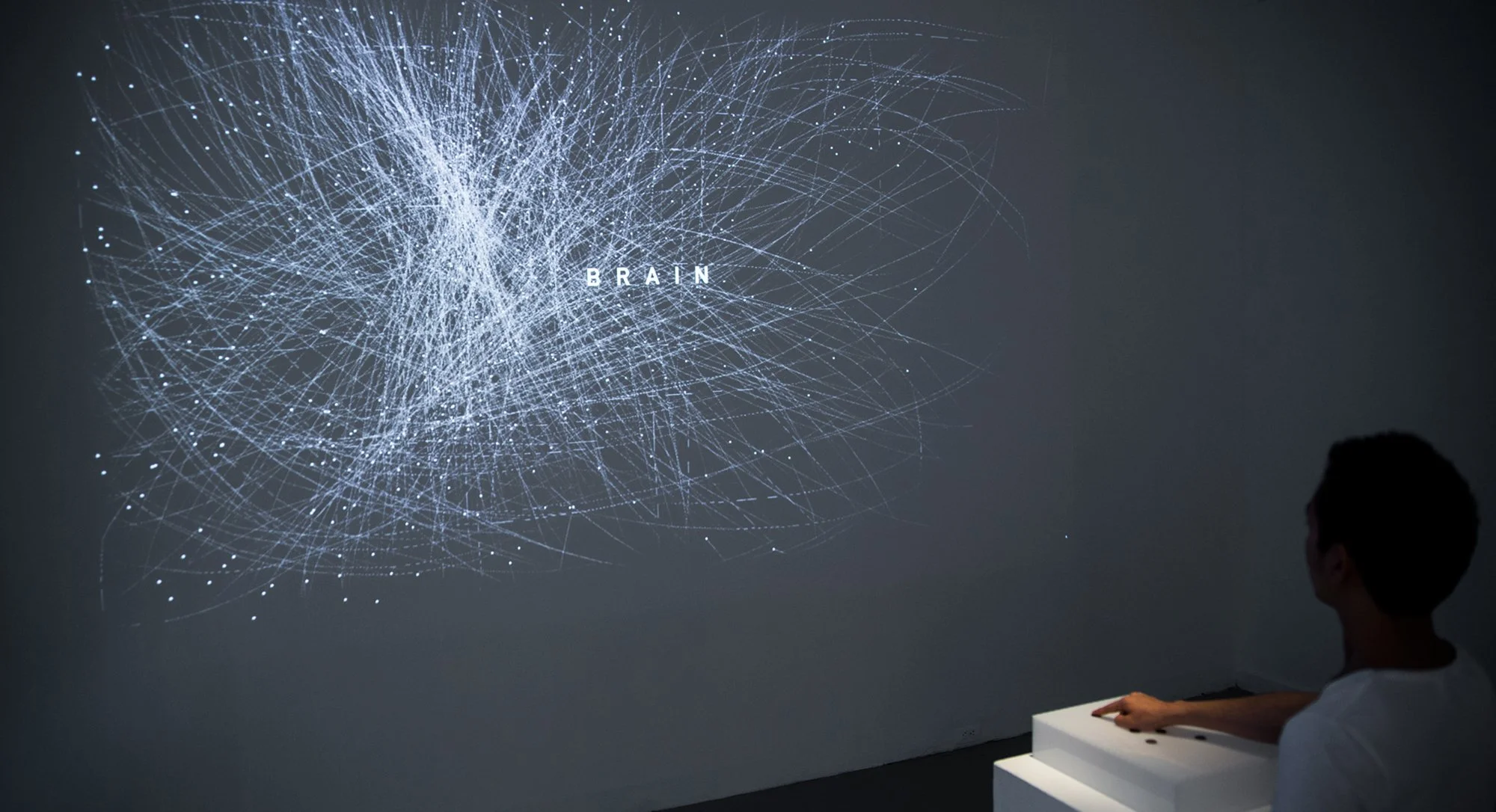
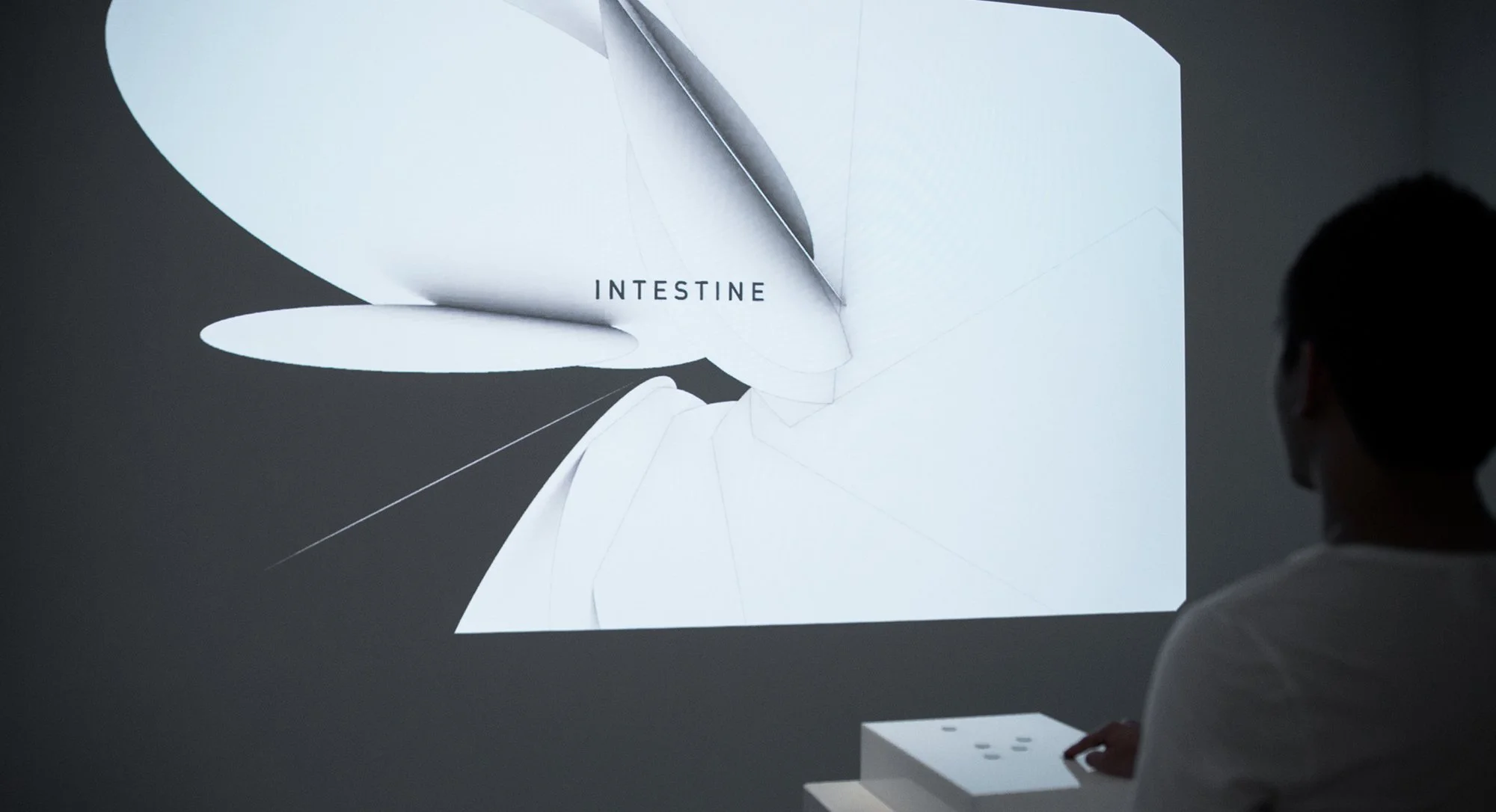
You place your hand on a surface. Six small points sit beneath your fingers, positioned where reflexology maps your palm to your organs. You press one.
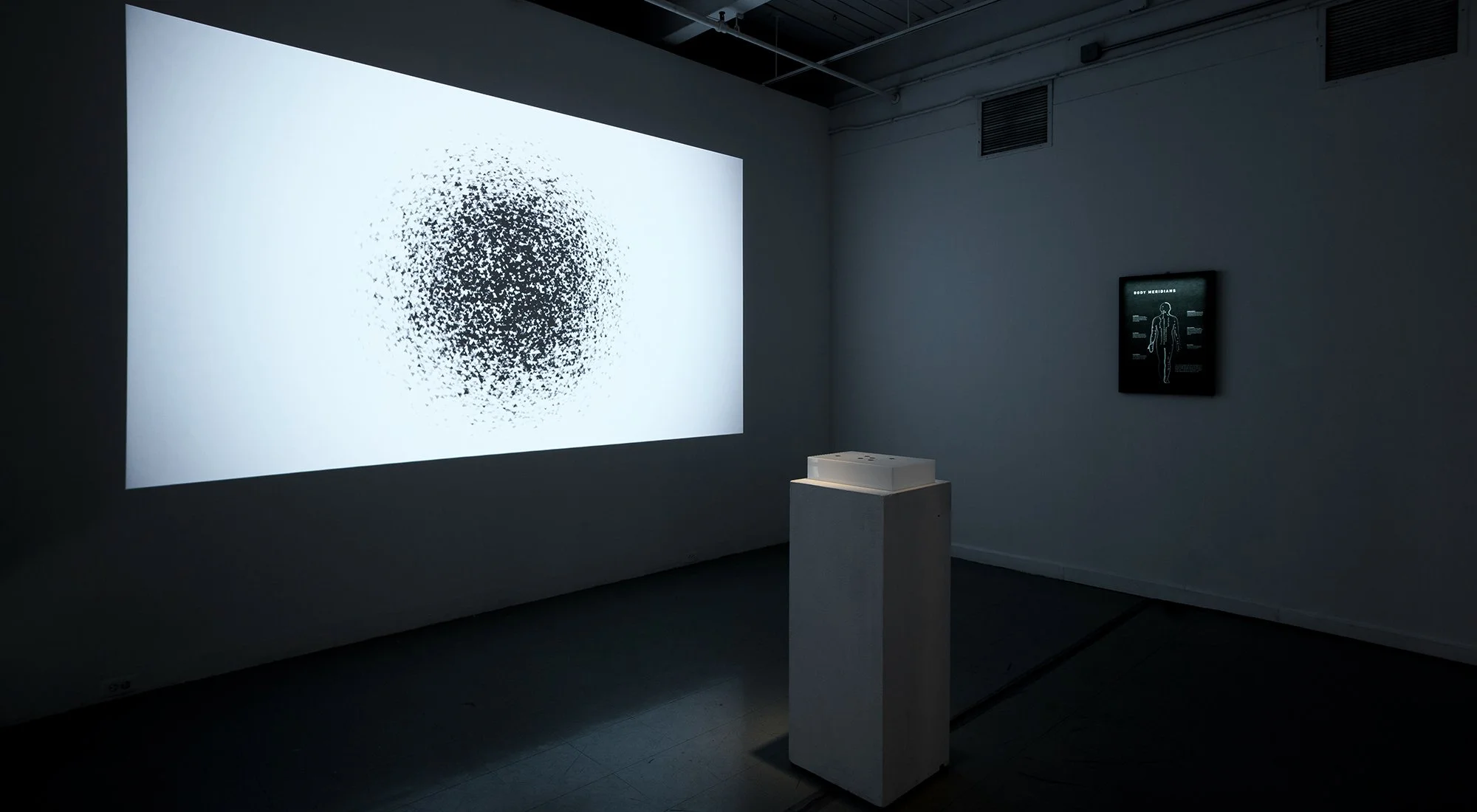
On the screen, something wakes up. A visual rhythm begins — slow, tentative, like a system coming online. You press harder. The rhythm intensifies, grows denser, more complex. You hold it there, and the visual accumulates — layering on itself, building the way a living process builds. Release, and it ebbs.
You're not watching an animation. You're watching a response. The screen is reacting to you — to the specific point you're pressing, to how much force you're applying, to how long you sustain it. And what it's showing you is an interpretation of the organ connected to that point on your palm. Your heart. Your lungs. Your stomach.
For a moment, the boundary between your hand and your insides dissolves. You press a point on your skin and something deep inside you becomes visible.
The Gap I Wanted to Close
We live in our bodies every day but rarely feel connected to what's happening inside them. Your heart beats 100,000 times a day and you almost never notice. Your lungs expand and contract constantly, and the only time you're aware of them is when something goes wrong. The interior of your body is the most intimate space you inhabit, and it's almost completely invisible to you.
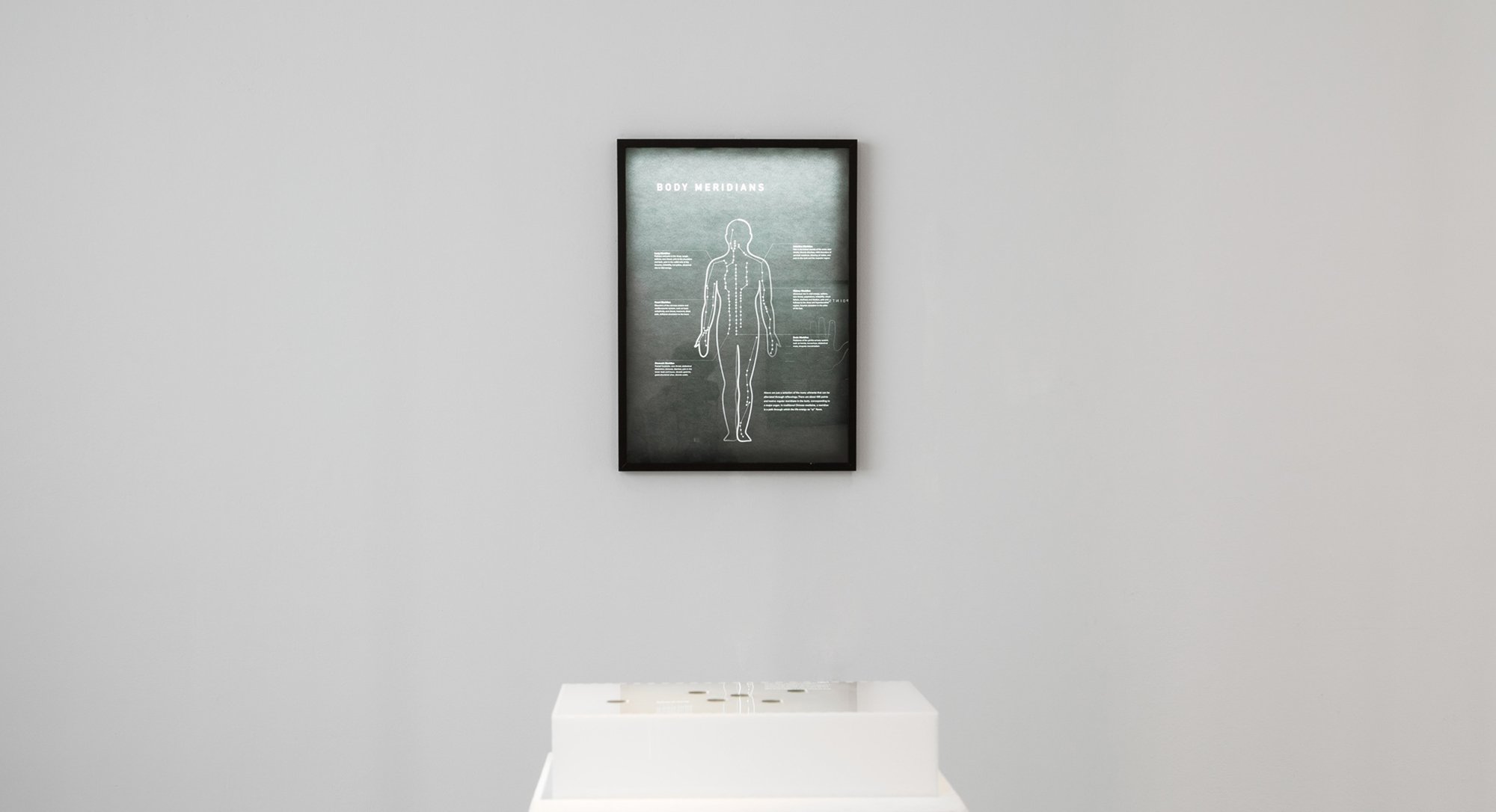
Reflexology offers a different relationship to that interior. It says: your surface is a map of your insides. Press here, and you're touching your heart. Press there, and you're reaching your lungs. It draws a line between the outside of your body and the inside — between what you can touch and what you can't see.
But that connection has always been invisible too. You press a point on your palm and someone tells you it's connected to your stomach. You believe it or you don't. Either way, you can't see it. The connection stays abstract.
I wanted to make that connection real — not medically real, but experientially real. What if the moment you press a reflex point, you see something respond? Not a diagram of an organ. Not a label. A living, breathing visual that moves the way that organ moves — that has the rhythm of a heartbeat, the expansion of a breath, the slow churn of digestion? Something that makes you feel like you just reached inside yourself.
That's what SIX POINTS is. It doesn't ask you to learn reflexology or believe in it. It asks you to press down and watch. And in that watching, to feel — maybe for the first time — a visceral connection between the surface of your hand and the systems working inside you.
Why Touch, Why Motion
The medium matters. I didn't want people reading about their bodies or looking at still images of organs. I wanted them doing something with their hands and seeing something respond in real time.
Touch is the most intimate sense. It's the one that requires contact, that closes distance to zero. And the hand is where reflexology lives — it's already the interface. So the interaction had to start there: your hand on a surface, your fingers finding points, your pressure creating the input.
And the output had to be motion, not image. Organs aren't static — they pulse, they contract, they flow, they churn. A still picture of a heart tells you what a heart looks like. A moving, pressure-responsive visual tells you what a heart does. It gives you the rhythm, the urgency, the life of the organ. And because it's responding to your pressure in real time, the visual doesn't just represent the organ — it connects the organ to you. You are the input. The organ is the output. Your hand is the bridge.
That loop — press, see, feel, press harder, see more — is where the experience lives. It's not about information. It's about sensation. For a few seconds, you're aware of your own body in a way you normally aren't.
How It Works
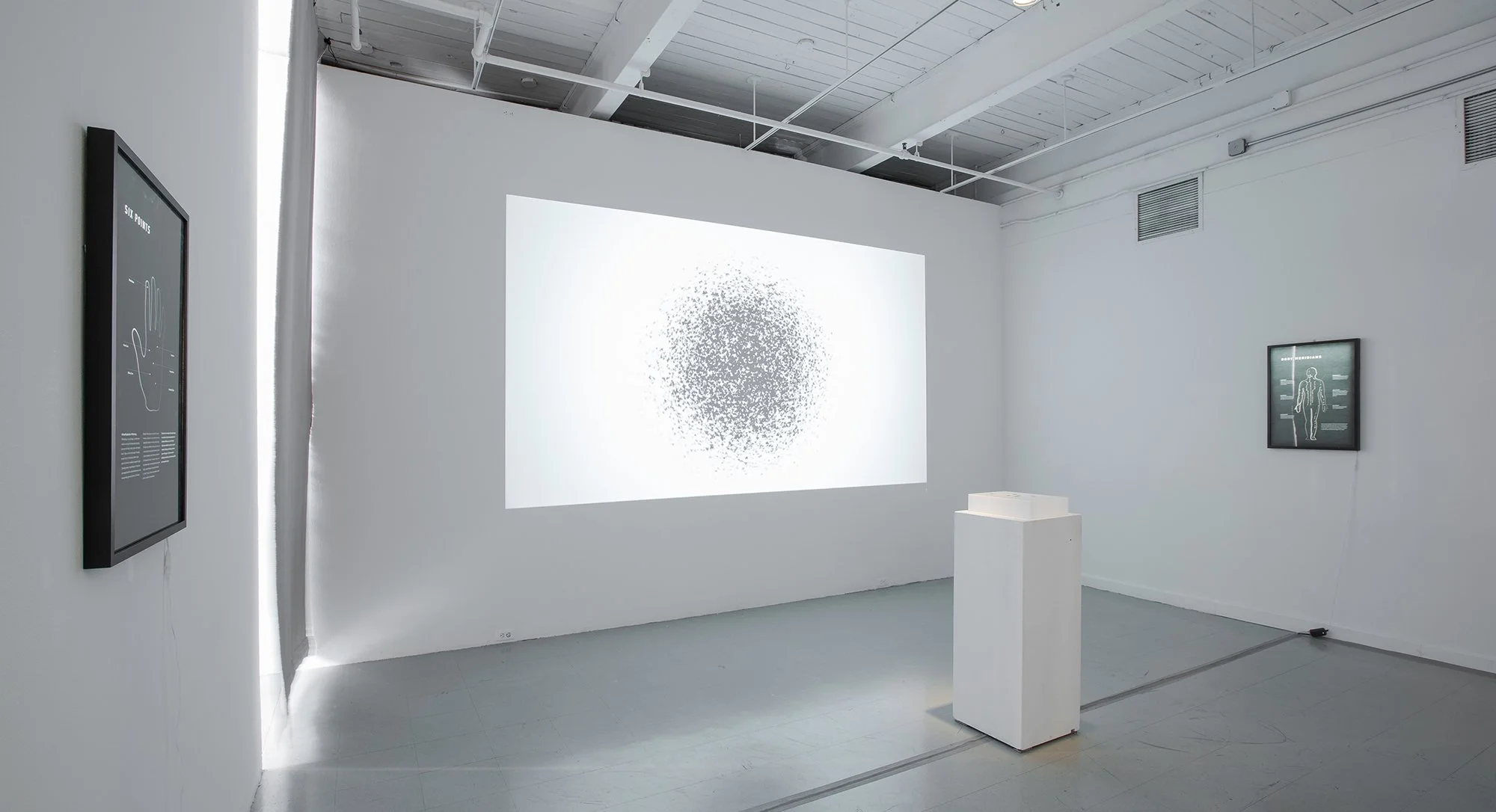
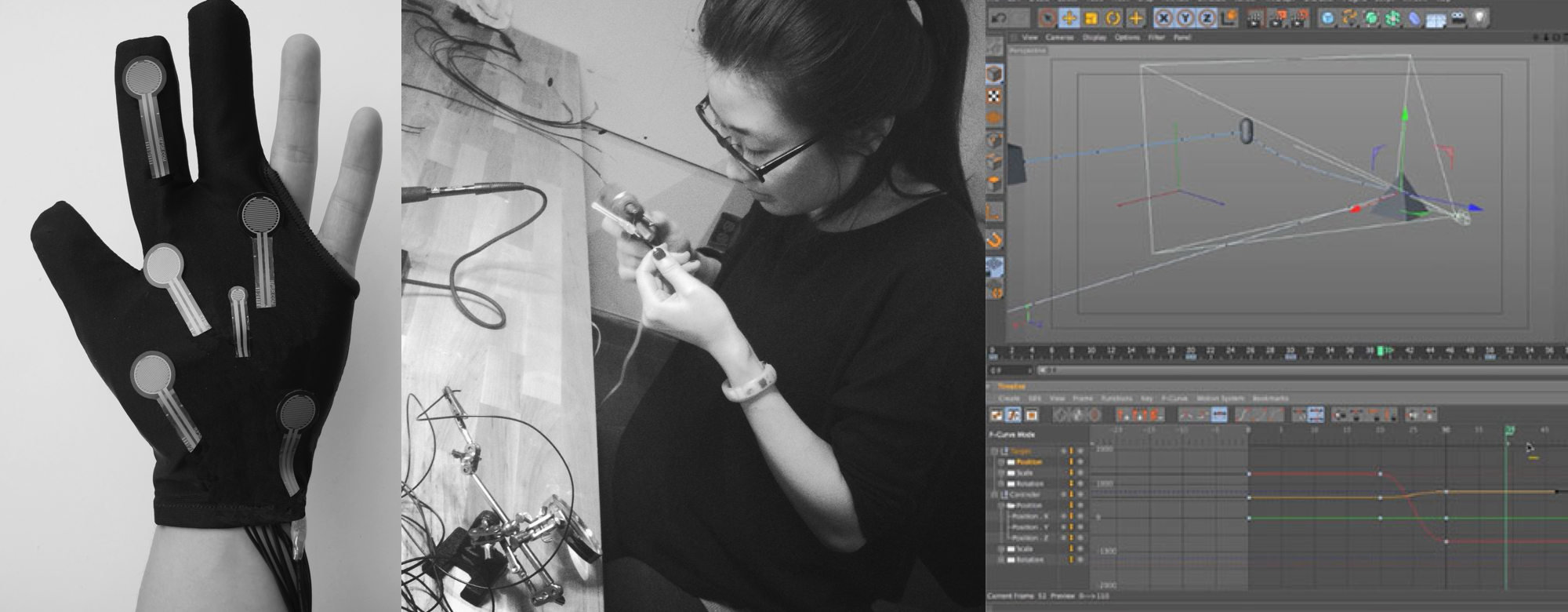
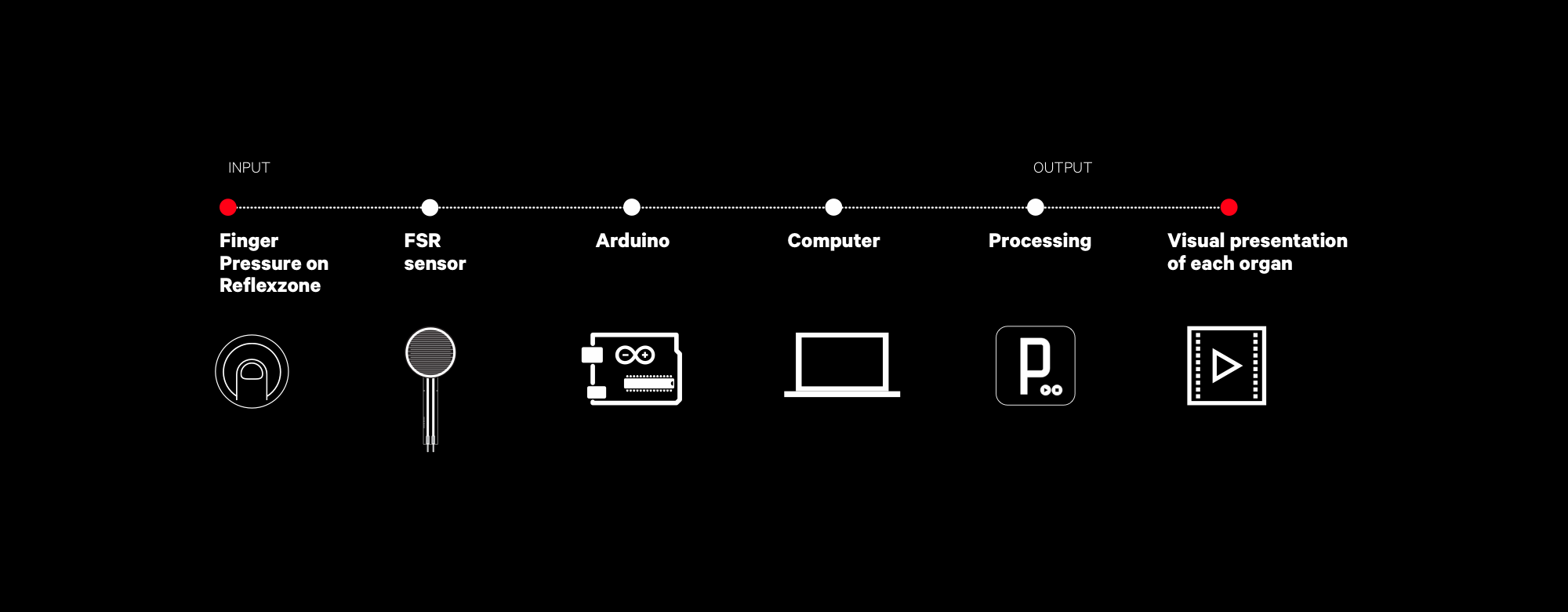
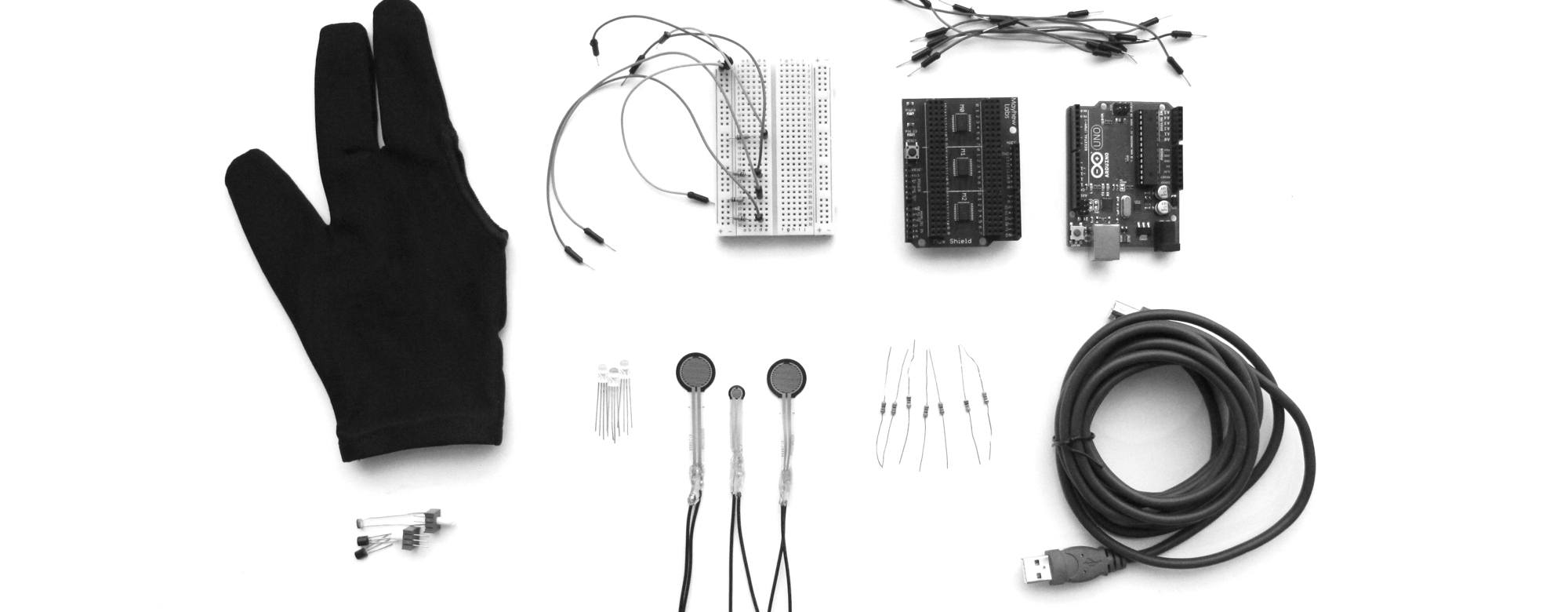
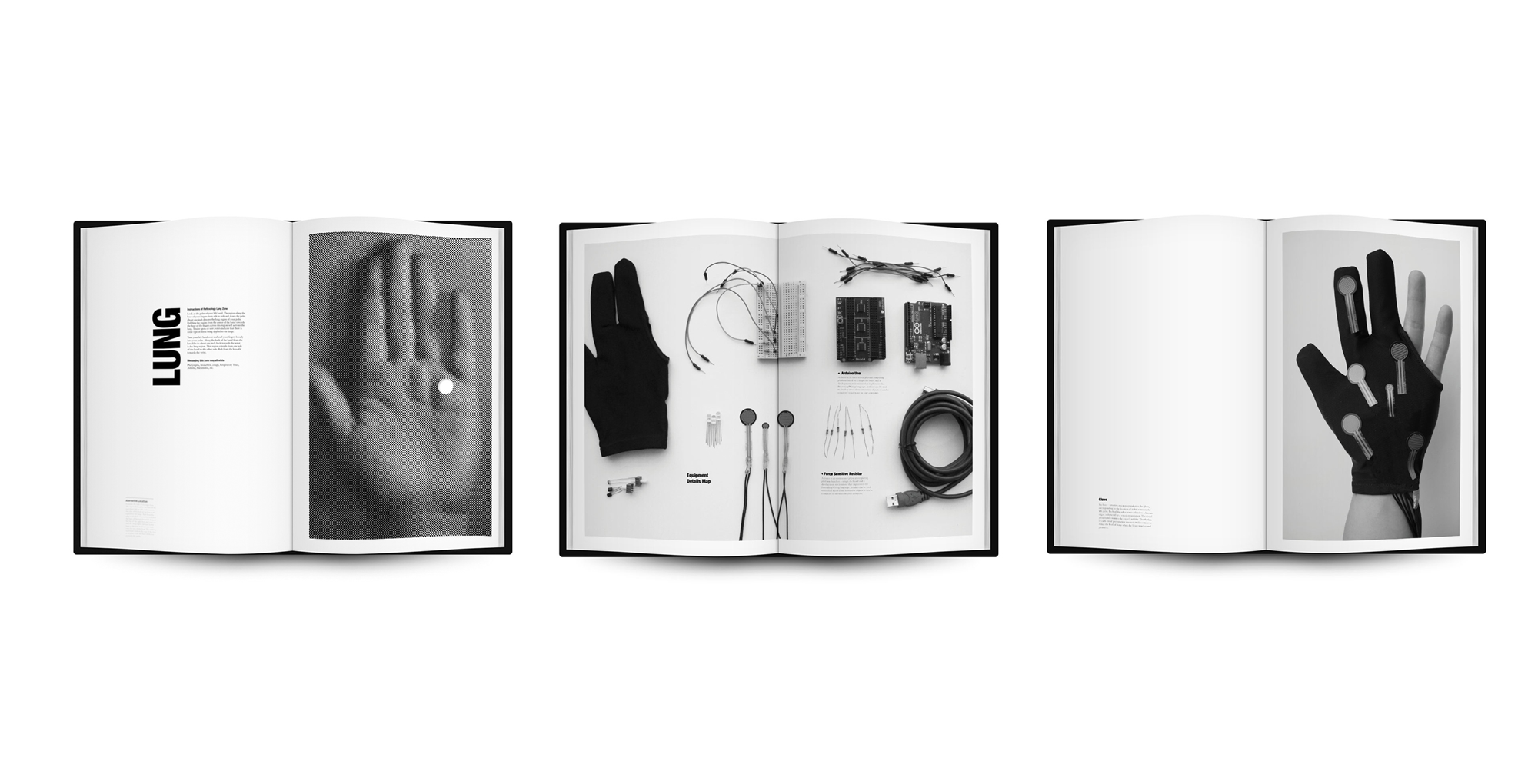
I built the entire piece myself — the physical device, the hardware, the code, the generative visuals.
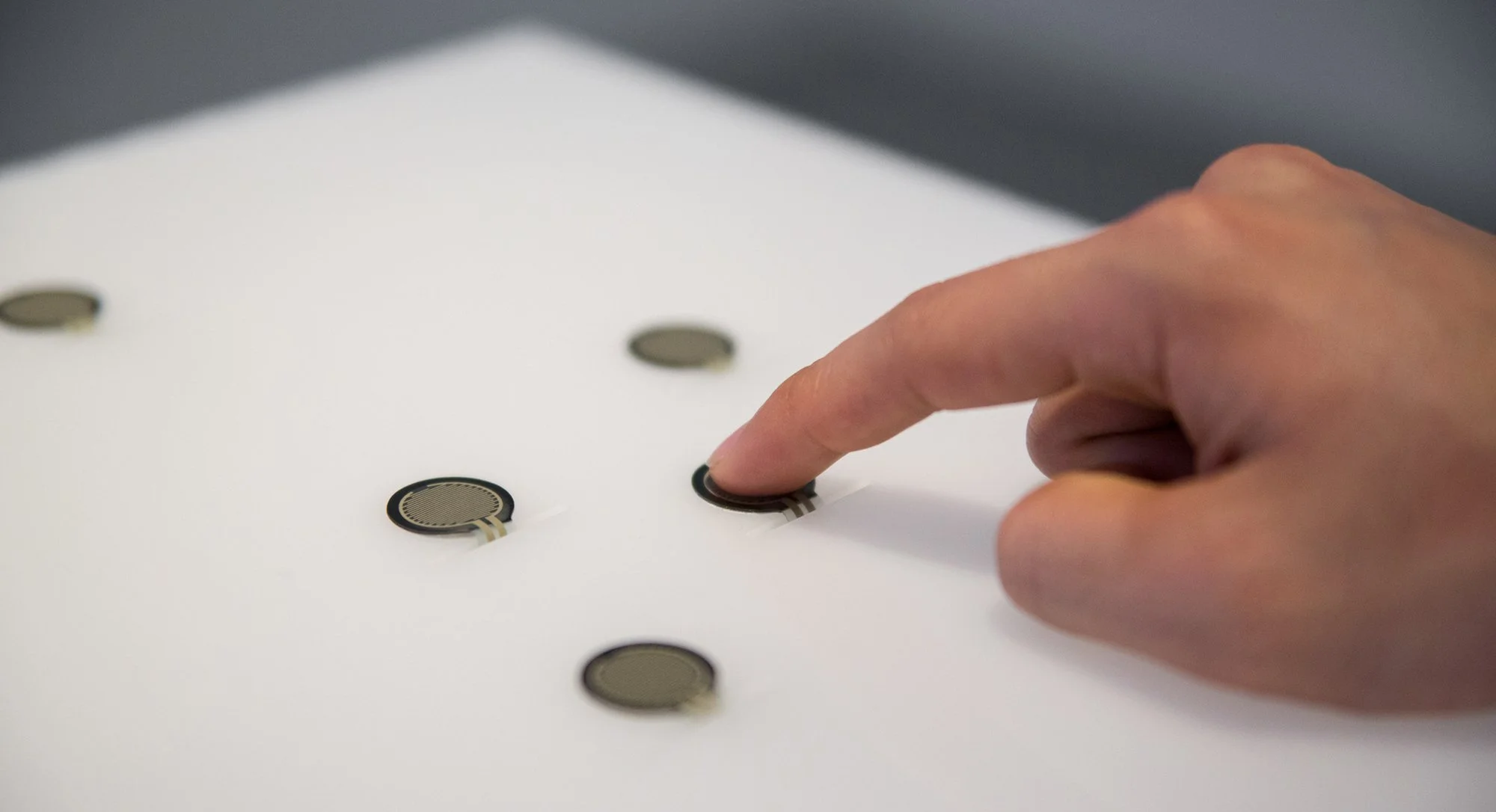
Six force-sensitive resistors sit inset in the device's surface, each 0.5 inches in diameter, positioned to match reflex zones on the left palm. Each sensor maps to an organ. The sensors don't work like buttons — they read pressure as a continuous gradient, varying resistance depending on how much force you apply.
That continuous reading is what makes the experience feel real. Reflexology isn't binary. A light touch is different from sustained pressure. The interaction needed to reflect that, so the visuals don't just switch on — they grow, intensify, and accumulate. Press gently and the response is subtle. Press firmly and hold, and the visual builds into something dense and rhythmic.
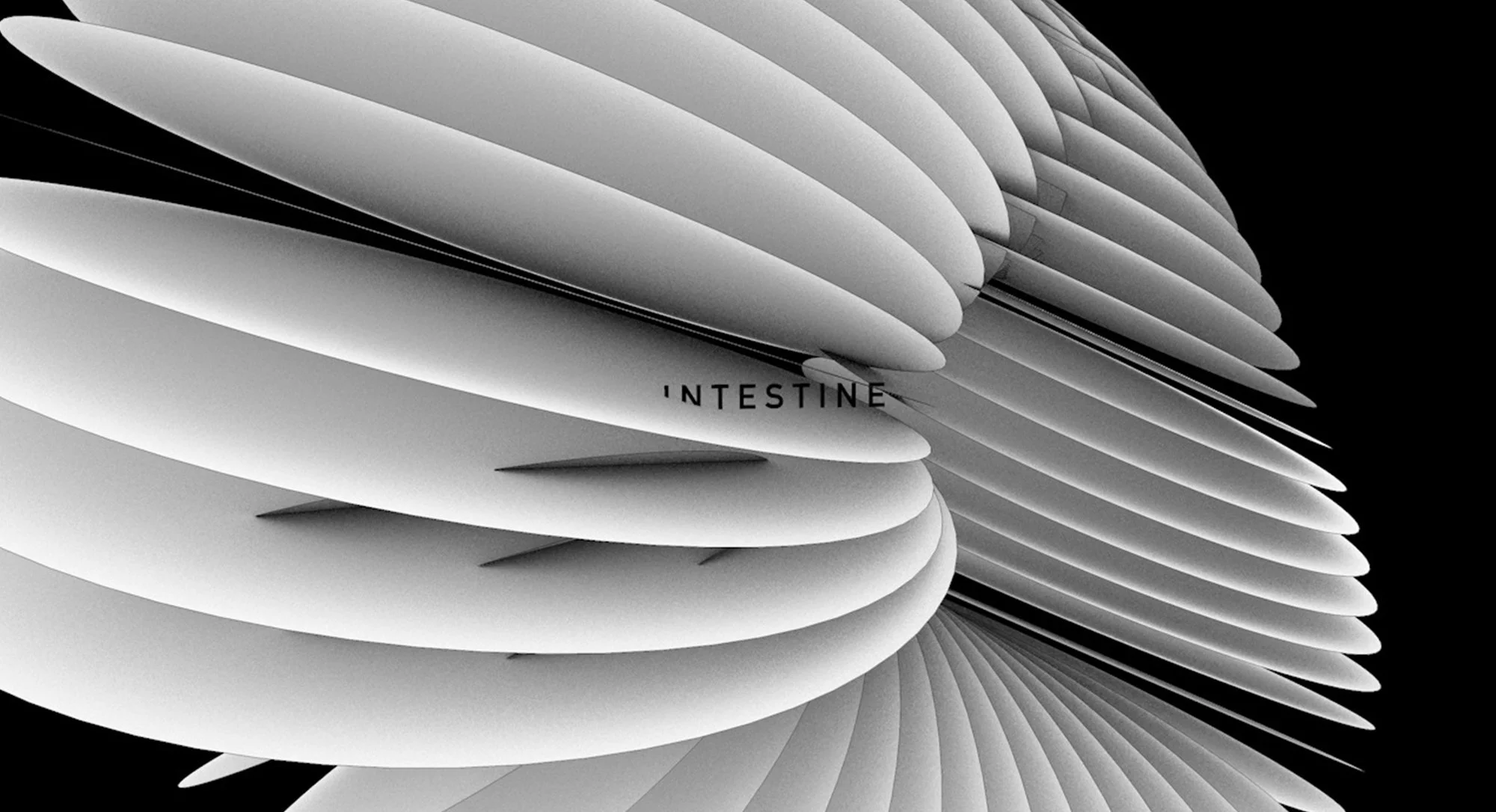
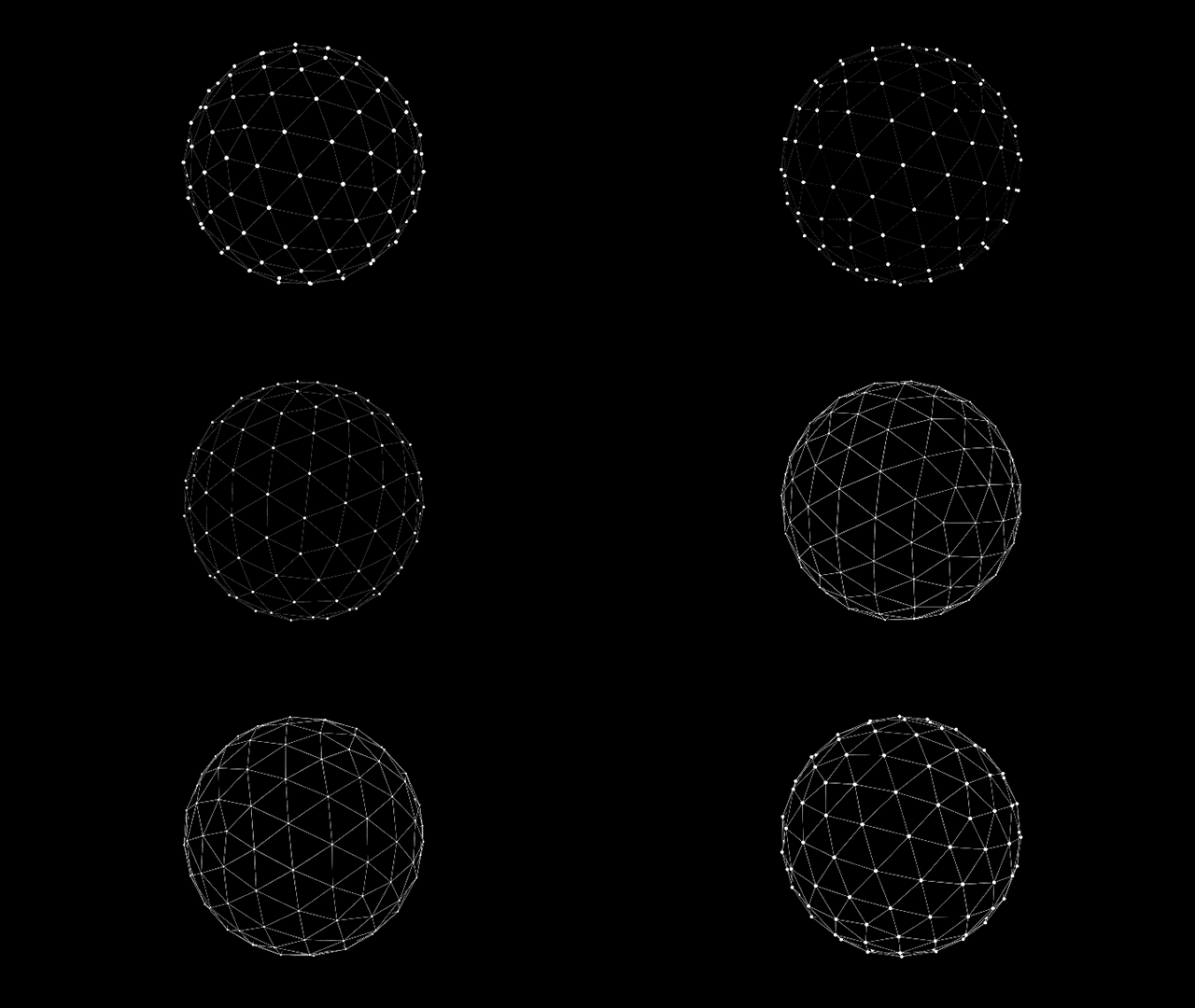
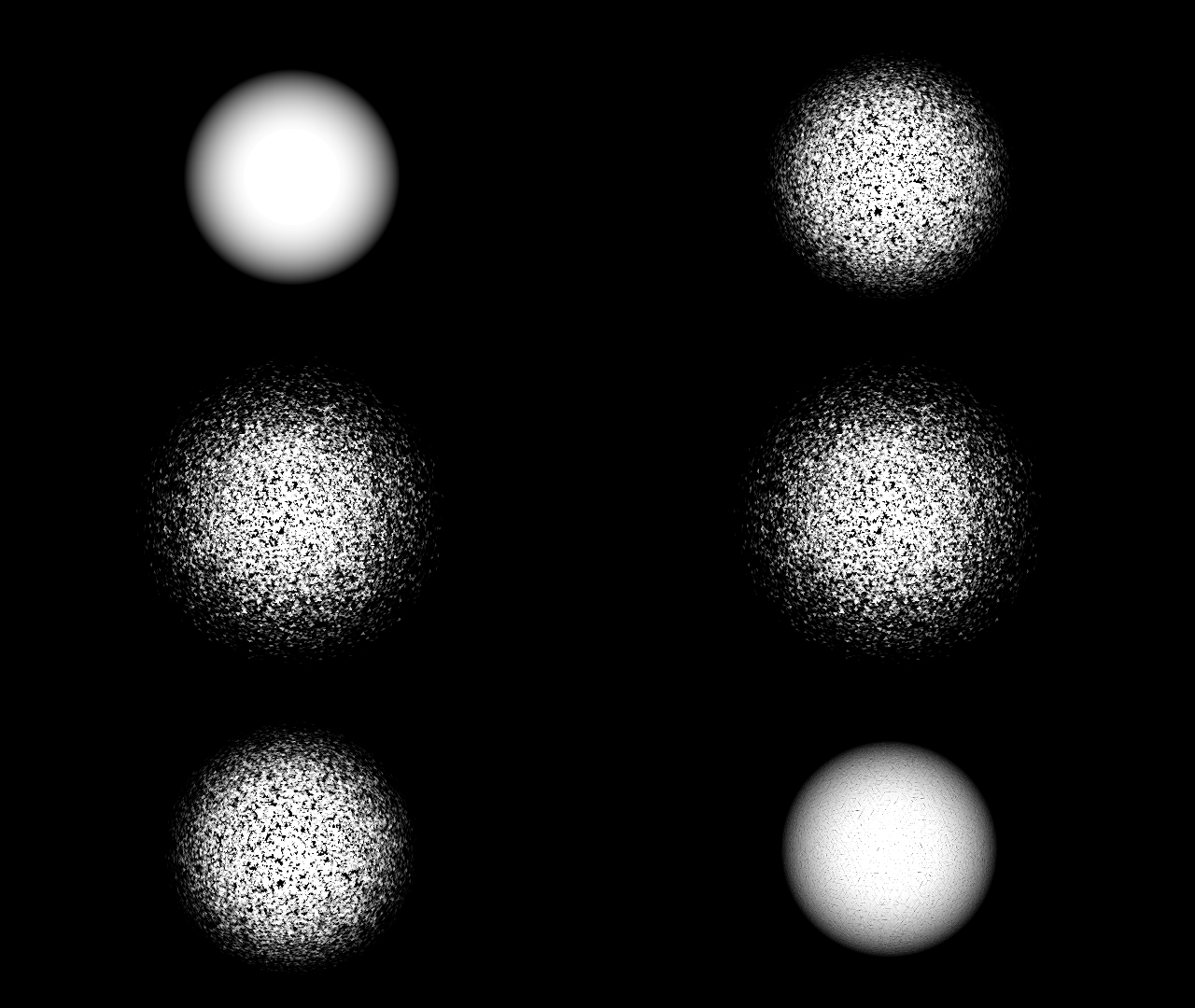
Each organ has its own visual language. The visuals mimic the quality of how the organ functions — rhythm, expansion, contraction, flow — without illustrating it literally. They're interpretive, not anatomical. The heart doesn't look like a heart. It feels like one.

The Creative Challenge
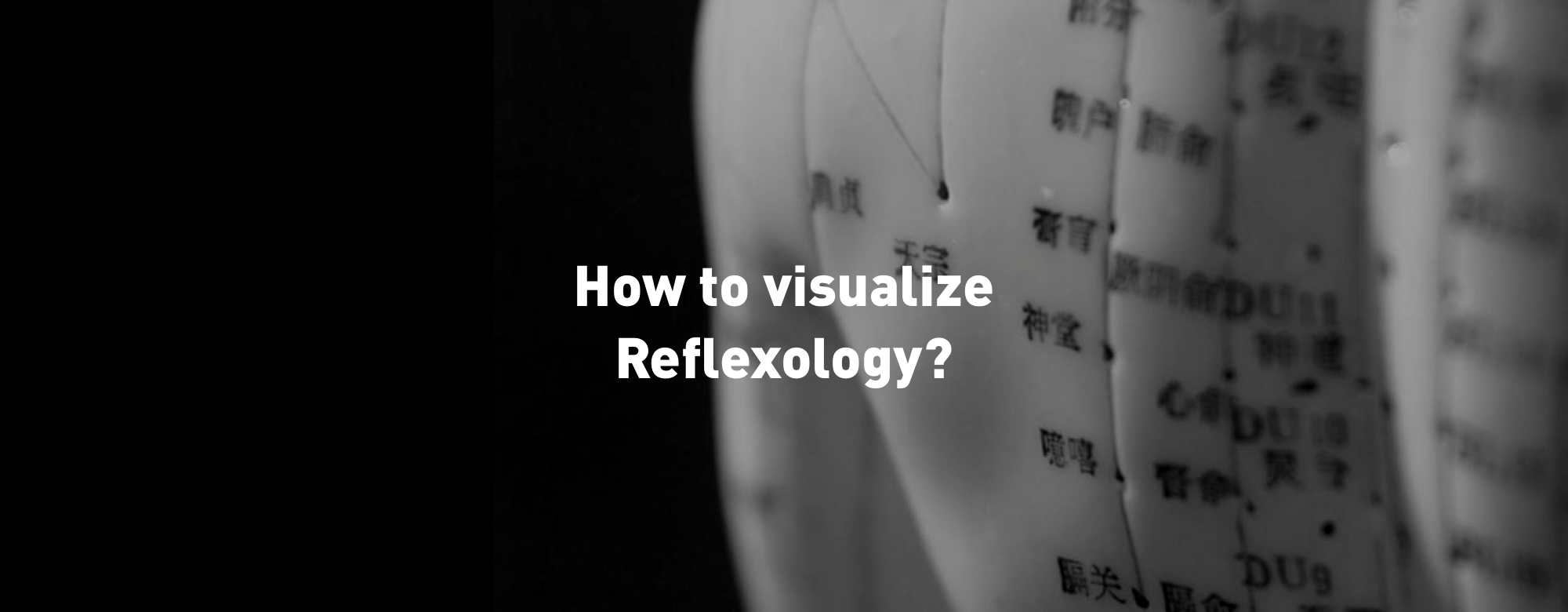
The hardest part wasn't the hardware or the code. It was figuring out how to translate what an organ does into something you can see and feel on screen.
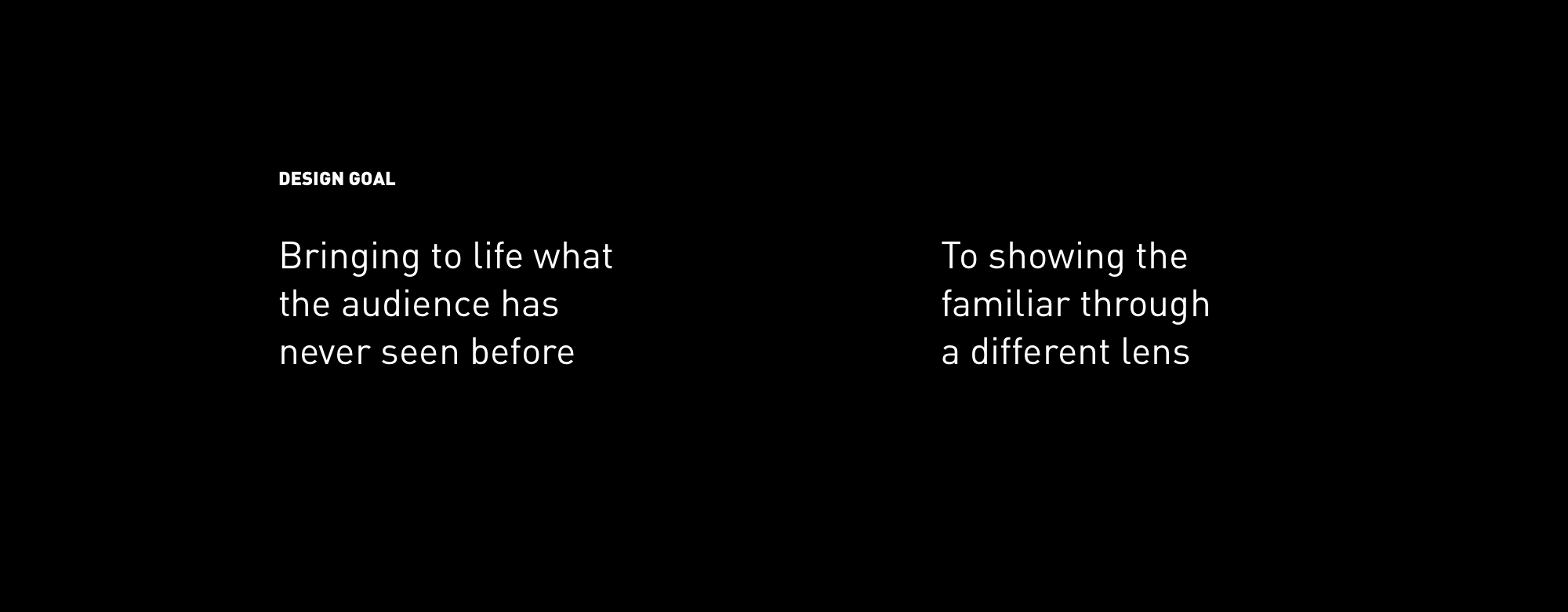
Each organ became its own design problem: what is the essential character of how this organ works? What kind of motion captures that? I was designing movement and rhythm more than shape — trying to find the visual equivalent of a heartbeat, of breathing, of digestion. The visuals sit somewhere between generative art and data visualization, but they're grounded in the body and driven by real-time input from your hand.
The device itself was also a deliberate choice. It needed to feel intimate and physical — your hand resting naturally, fingers discovering pressure points. Not a touchscreen, not a mouse. Something that brings you closer to the practice of reflexology, where the hand is the interface.




Context
SIX POINTS was my MFA thesis piece at MICA, where Ellen Lupton directed the program. My thesis explored the visual representation of the human body — how design can make the invisible visible, the internal external. SIX POINTS was where that exploration became tangible: a piece that asks you to press your hand down and, for a moment, see what's inside you.